
Why Event Security Planning Starts Months in Advance
Every successful event shares something in common behind the scenes: a security plan that was finalized long before the first attendee walked through the gate. Whether we are talking about a 200-person corporate gala in downtown Melbourne or a 10,000-person outdoor festival along the Indian River, the security requirements demand lead time that most organizers underestimate.
We have seen event committees begin thinking about security two weeks before doors open. That is not planning. That is damage control before anything has gone wrong. A proper security operation for a mid-size event in Brevard County requires a minimum of 60 to 90 days of preparation. Larger events with complex logistics, alcohol service, or public-facing VIP attendance need four to six months.
The reason is straightforward. Security planning is not simply about posting guards at entrances. It requires coordination with local law enforcement, fire marshals, emergency medical services, venue management, and often the City of Melbourne or Brevard County permitting offices. Each of those entities operates on its own timeline, and none of them move fast for last-minute requests.
The Five Phases of Event Security Planning
We break every event security engagement into five distinct phases. Skipping any one of them introduces risk that compounds as the event approaches.
Phase 1: Risk Assessment
Risk assessment is the foundation. We begin by cataloging every variable that could affect safety: event type, expected attendance, venue layout, time of day, weather exposure, alcohol presence, political or cultural sensitivity, and historical incident data for similar events.
A charity run along the Merritt Island causeway presents a fundamentally different threat profile than a late-night concert at a Brevard County fairground. The charity run demands traffic control, medical staging for heat-related illness, and coordination with Brevard County Sheriff’s Office for road closures. The concert requires crowd density monitoring, substance interdiction, noise-complaint liaison, and potentially armed security if the threat assessment warrants it.
We assign a security level classification to each event based on this assessment. Level 1 events are low-risk, low-attendance gatherings requiring minimal uniformed presence. Level 4 events involve high-profile attendees, large crowds, or elevated threat intelligence requiring executive protection details, counter-surveillance, and dedicated emergency response teams.
Phase 2: Resource Allocation
Once the risk assessment establishes the security level, we determine the personnel, equipment, and technology required. This phase answers three questions: how many officers, what capabilities do they need, and what equipment supports them.
A general rule we apply for crowd events in Central Florida is one security officer per 75 to 100 attendees for standard-risk gatherings, scaling to one per 30 to 50 for elevated-risk environments. These ratios adjust based on venue configuration, sightline quality, and the number of access points.
Resource allocation also covers communications infrastructure. Every officer on a TESS detail operates on encrypted radio channels with a dedicated command frequency. For events with more than 500 attendees, we deploy a mobile command post that serves as the centralized coordination point for security, medical, and event management communications.
Phase 3: Site Survey
We walk every venue before we commit to a security plan. Aerial photography and floor plans are useful starting points, but they do not reveal the blind spots, the poorly lit parking areas, the fence line that a determined individual could breach in seconds, or the drainage culvert that creates an unmonitored access point.
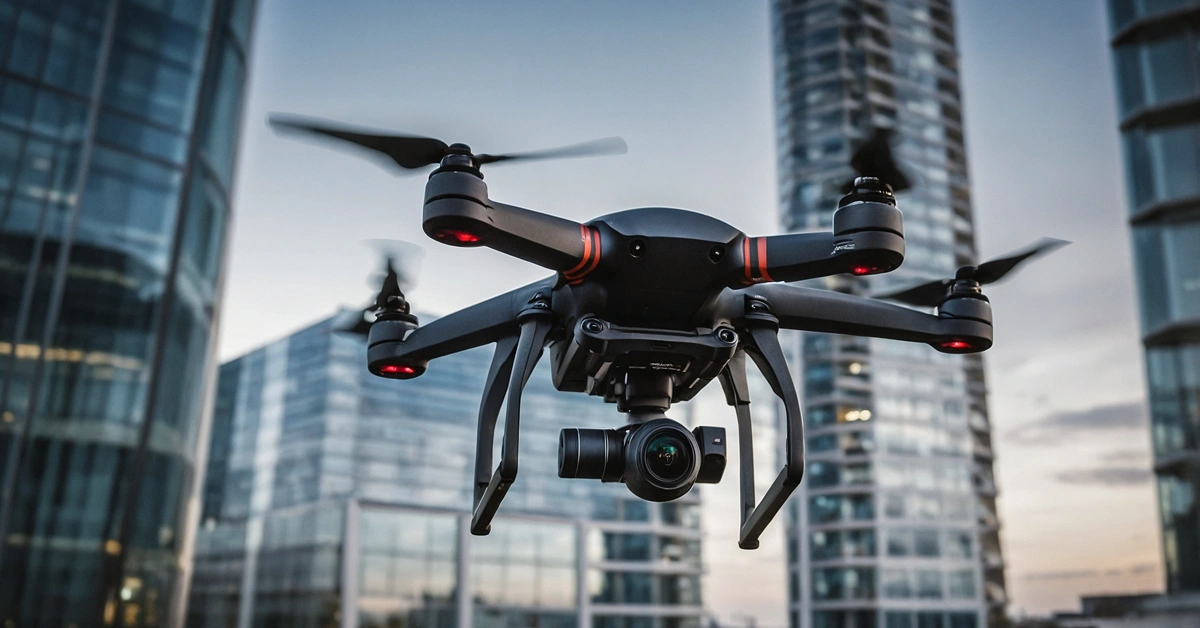
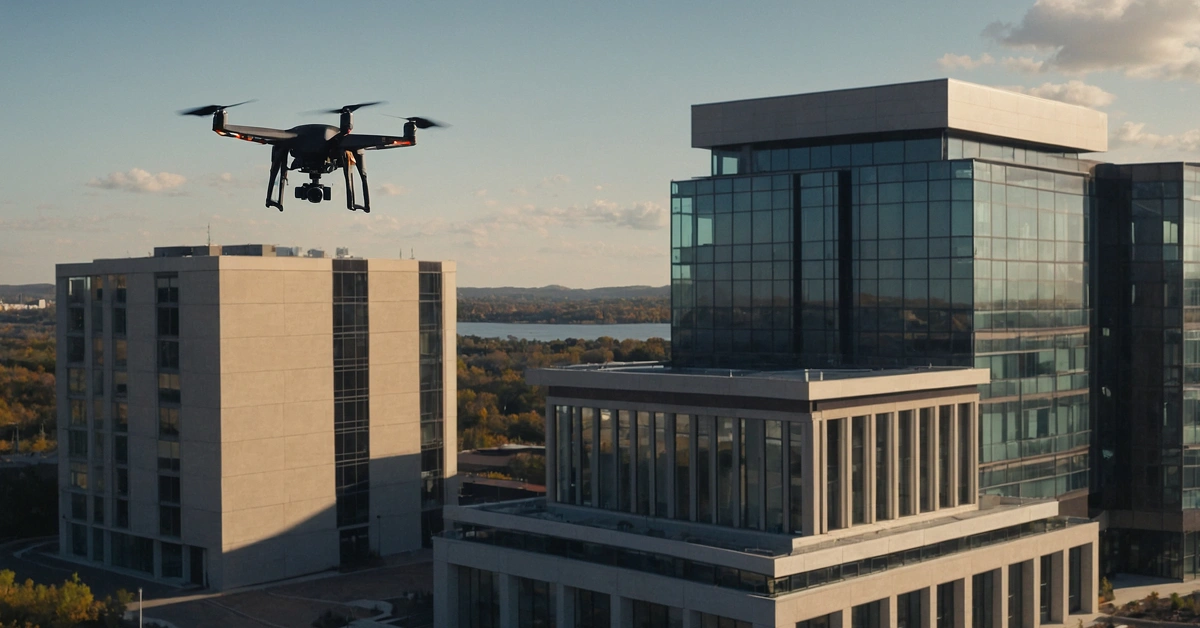
Our site surveys in Brevard County account for region-specific factors. Coastal venues are subject to rapidly changing weather that can turn an orderly outdoor event into a chaotic evacuation. Properties near the Banana River or Indian River Lagoon may have water-side access points that require marine patrol coordination. Venues adjacent to Kennedy Space Center or Patrick Space Force Base may fall within restricted airspace, affecting our drone overwatch capabilities.
The site survey produces a detailed map with designated security posts, patrol routes, emergency vehicle staging areas, medical triage points, and evacuation corridors.
Phase 4: Day-of Operations
The operations phase begins hours before the event opens and extends hours after the last attendee departs. Our team conducts a pre-event security briefing covering the full operational plan, individual post assignments, communication protocols, escalation procedures, and weather contingencies.
During the event, our command structure operates on a three-tier model. Post officers maintain their assigned positions and report to sector supervisors. Sector supervisors manage their zones and report to the operations commander. The operations commander maintains overall situational awareness and serves as the single point of contact for event management and law enforcement.
We maintain a dedicated incident log throughout the event. Every interaction, observation, and escalation is recorded with timestamps. This documentation serves both the post-event debrief and any potential legal proceedings.
Phase 5: Post-Event Debrief
The debrief is the phase that separates professional security operations from contract guard services. Within 48 hours of event conclusion, our team produces a comprehensive after-action report that documents what worked, what failed, and what requires adjustment for future events.
We review every logged incident, analyze response times, evaluate communication effectiveness, and assess whether the original risk assessment accurately predicted the threat environment. This report becomes the foundation for planning the next event, creating an iterative improvement cycle that reduces risk over time.
Crowd Management Fundamentals
Crowd dynamics are governed by physics as much as psychology. When density reaches four to five people per square meter, individuals lose the ability to move independently. At six per square meter, crowd crush becomes a real possibility. Our crowd management approach focuses on preventing density from ever reaching dangerous levels.
Flow Control and Choke Points
Every venue has natural choke points where crowd density increases: doorways, concession areas, restroom corridors, stage barriers. We identify these during the site survey and implement flow-control measures including one-way traffic patterns, physical barriers to widen pinch points, and roving officers tasked specifically with monitoring density in high-risk zones.
For outdoor events along the Brevard County coast, terrain itself creates flow challenges. Sandy ground slows foot traffic. Elevated boardwalks limit lateral movement. Seawalls create hard barriers with no give. Each of these features influences how we position personnel and barriers.
Emergency Egress
Every security plan includes a minimum of two emergency egress routes from any point within the venue. These routes are kept clear at all times, monitored by dedicated officers, and marked with signage that remains visible in low-light conditions. For events with pyrotechnics or open flame, we coordinate egress planning directly with Brevard County Fire Rescue to ensure compliance with fire code and to pre-position suppression assets.
Access Control
Access control is the first line of defense and the point where most security failures originate. We implement a credential-based system for every event, regardless of size.
General admission attendees pass through a screening checkpoint that may include bag checks, metal detection, and visual inspection depending on the security level. VIP and backstage areas operate on a separate credential system with photo identification and escort requirements. Staff and vendor access is managed through a pre-registered credential process that begins during the planning phase.
Bag check procedures follow a standardized protocol. Officers inspect every compartment, use flashlights for opaque bags, and know exactly what items are prohibited under the event’s specific policy. Prohibited item lists vary by event, but our baseline for Brevard County outdoor events always includes glass containers, outside alcohol, weapons, and professional camera equipment without media credentials.
Emergency Response Planning
Every event security plan includes a medical emergency protocol, a severe weather protocol, an active threat protocol, and an evacuation protocol. Each protocol defines specific triggers, communication procedures, and officer actions.
In Central Florida, severe weather protocols receive particular attention. Afternoon thunderstorms are a near-daily occurrence from May through September. Lightning detection systems provide advance warning, but the decision to shelter-in-place or evacuate a large outdoor crowd requires clear authority and pre-established decision criteria. We define those criteria in advance and ensure that both the security team and event management understand who makes the call and how it is communicated.
Professional Security vs. DIY Approaches
We understand the budget pressures that event organizers face. Hiring professional security represents a significant line item, and the temptation to rely on volunteers, off-duty staff, or basic contract guards is real.
The difference is training, coordination, and liability. A professional security team brings standardized communication, escalation procedures that have been rehearsed, and officers who have managed crowd emergencies before. Volunteers bring good intentions. When a medical emergency occurs simultaneously with a crowd surge at the main stage and a severe weather alert, good intentions do not produce an organized response.
Professional security also provides documented liability coverage. In an era where event liability lawsuits are increasingly common, the ability to demonstrate that a credentialed, trained, and insured security team operated under a written security plan is not optional. It is a fiduciary responsibility to every stakeholder involved.
Planning ahead is not merely a best practice. For any event in Brevard County or the broader Central Florida region, it is the baseline expectation for responsible event management.