
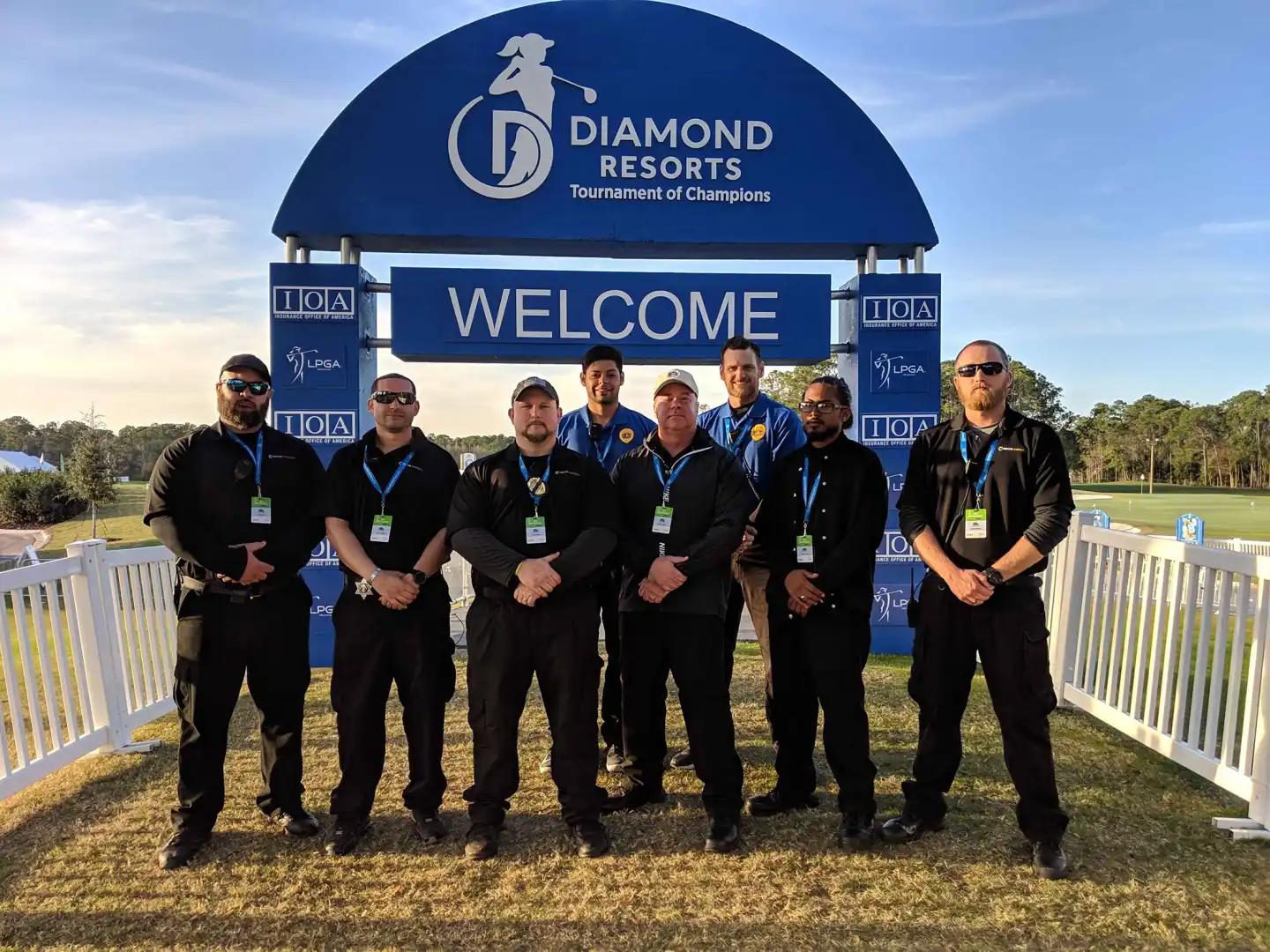
I need 2 unarmed officers at a construction site in Melbourne starting this week.
Florida licensed security agency · B-1500005
I need at in starting .
Change any part of that sentence. The answer on the right is what our dispatcher would tell you on the phone, before you give us your name.
Nobody buys security.
They buy the absence
of an incident.
Who we protect
Six kinds of client
Capability index
13 service lines“Always professional, reliable, and responsive to our needs.”
The King Center for the Performing Arts
Continuous coverage since January 2018
Record of service
Verifiable entries onlyEvery line points to something a prospect can check independently. This replaces the counter row currently on the site — including the figure which contradicts a 2014 founding date, and the client claim which has no supporting evidence anywhere on the property.
Aerial division
Add the
vertical axis
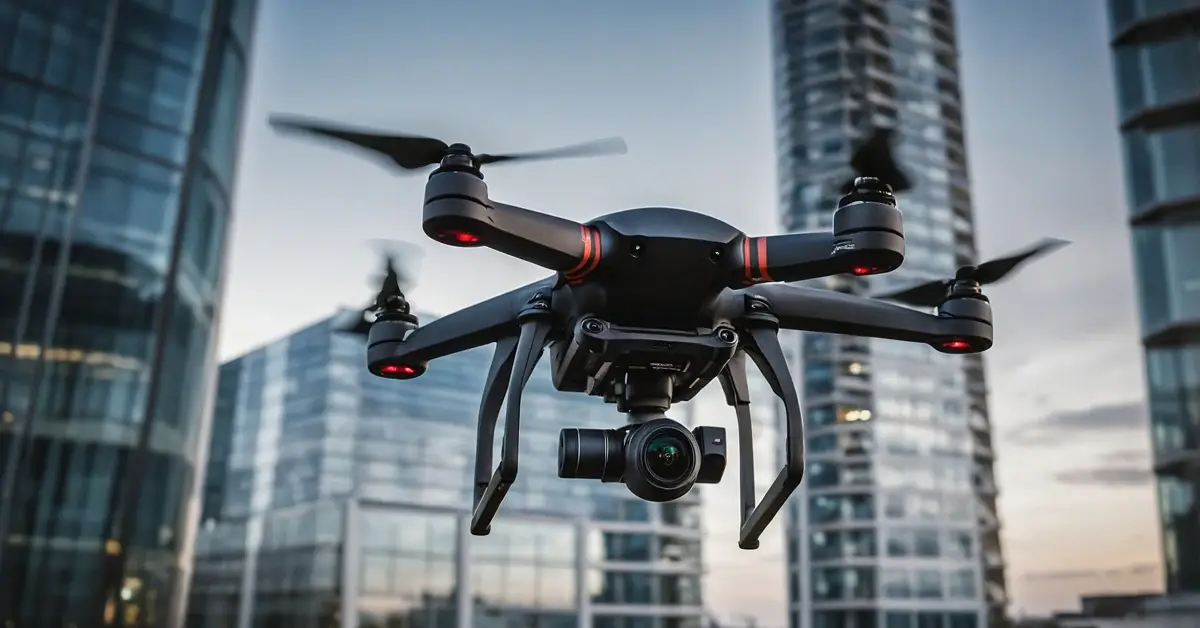
Thermal and high-definition aerial coverage flown by Part 107 certified operators. Patrol augmentation, event overwatch, post-storm damage assessment, and drone-first response to alarm activations.
Coverage
Where we operate
Brevard County is home. Each area has its own page with local response detail, licensing, and the posts we currently staff there.