
Service S-10 · Seasonal
Hurricane, Emergency & Disaster Response
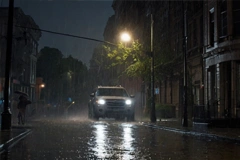
Pre-event, emergency and recovery security supporting properties and organizations during hurricanes, disasters and disruptive events. Deployments focus on protecting personnel, property, critical assets and controlled access while supporting operational recovery.
- License class
- Class D — unarmed. Class G available based on assignment.
- Typical window
- Pre-event · emergency operations · post-event recovery
- Minimum post
- Staffing based on site, duration, conditions and continuity requirements
- Standard lead time
- Pre-event scheduling encouraged · emergency deployment subject to availability and safe operating conditions
- Deliverable
- Pre-event documentation, shift/activity report, damage/condition record, incident report
I need at a gated community in starting .
What you receive
Paper, not promises
Who buys this
Three kinds of client
Often paired with
Related services
Questions we actually get
Before you call
When should I book?
Before June, for a standing arrangement that names the property and the plan. Otherwise, the day the forecast cone includes Brevard. Once a watch or a warning is posted the roster fills fast, and post-storm coverage is confirmed by phone against who is actually available.
Do your officers stay through the storm?
Ride-out posts are staffed only where the building is rated for it and the property stays occupied. We will not put an officer in a structure under a mandatory evacuation order. Post-storm coverage starts when it is safe to move.
What does the officer actually do before the storm?
Works your hardening checklist with your staff: doors, gates, equipment, fuel, loose material, and photographs of all of it. The checklist is the document the carrier asks for.
Do you cover other disasters?
The same posts apply to anything that takes power, access control or occupancy away from a property: a fire, a flood, a long outage. Fire watch is its own service line and is billed separately.